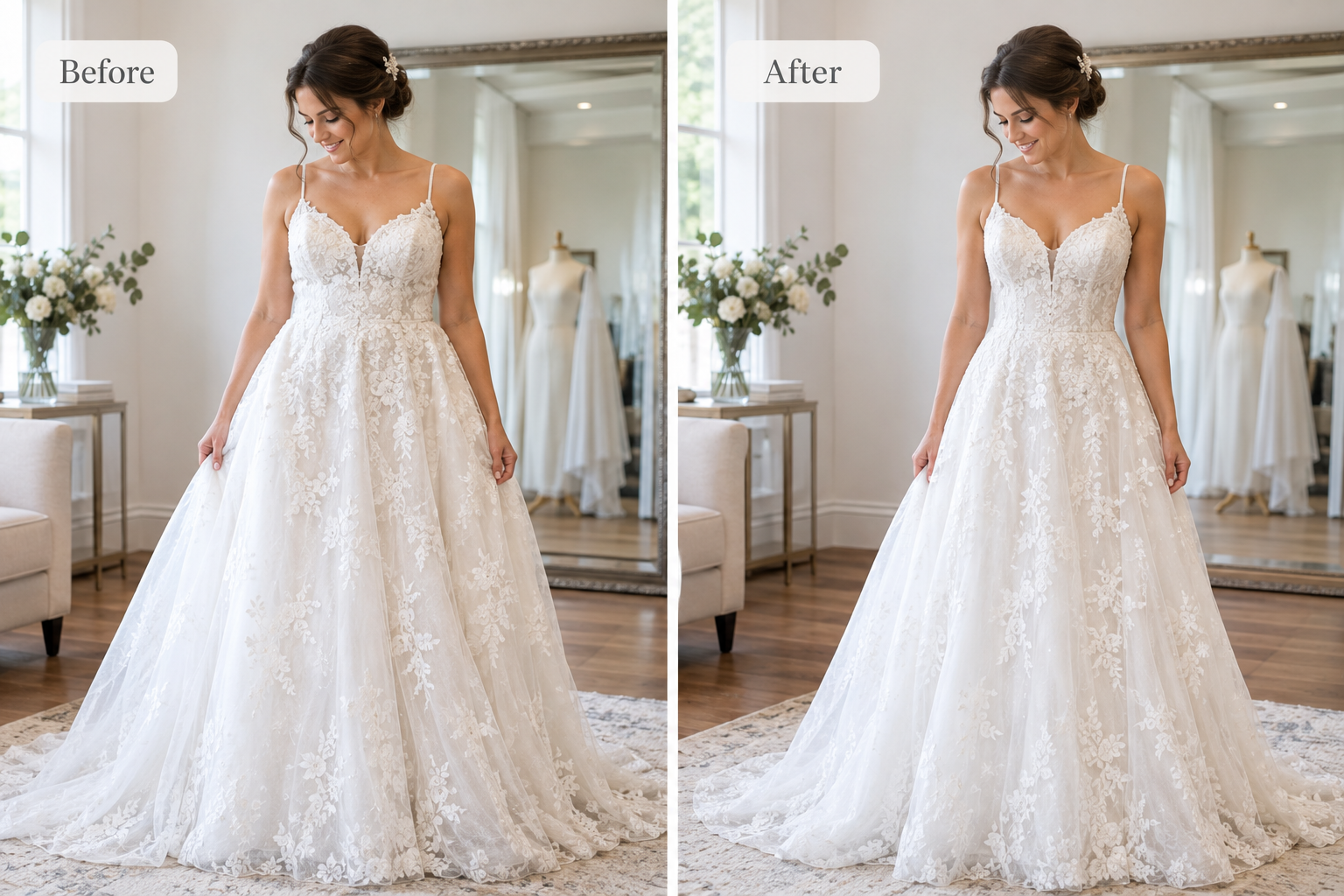
Your wedding dress is one of the most important garments you'll ever wear, making proper alterations an essential part of your wedding planning. Even the most stunning gown can lose its elegance if it doesn't fit correctly. Fortunately, many common alteration issues can be avoided with a little planning and the help of an experienced bridal seamstress.
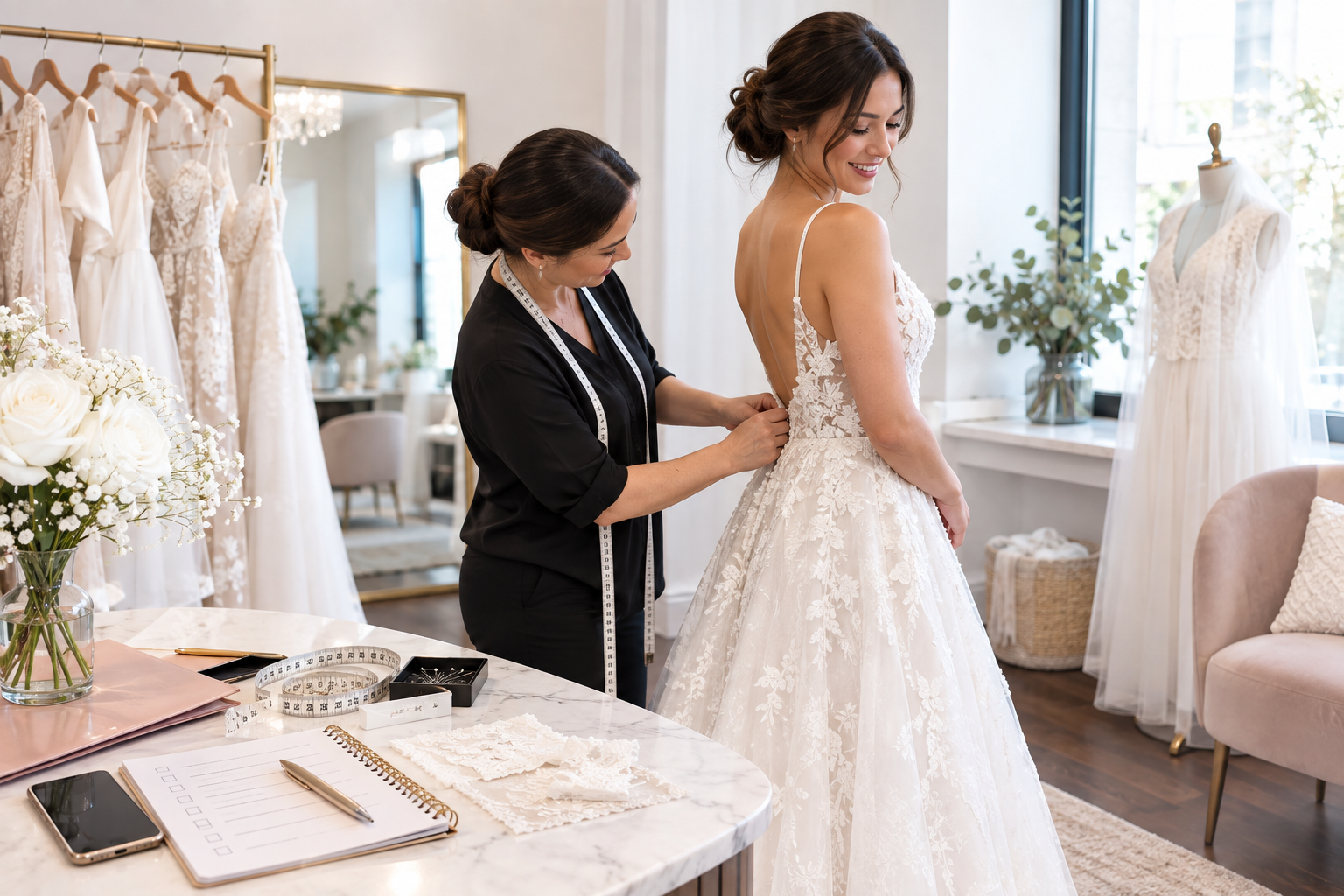
Bridal alterations are much more than adjusting the length of a dress or taking in the waist. They involve careful craftsmanship, multiple fittings, and precise adjustments that ensure your gown complements your body while preserving its original design. By understanding the most common mistakes brides make, you can help ensure a smooth alteration process and enjoy complete confidence on your wedding day.
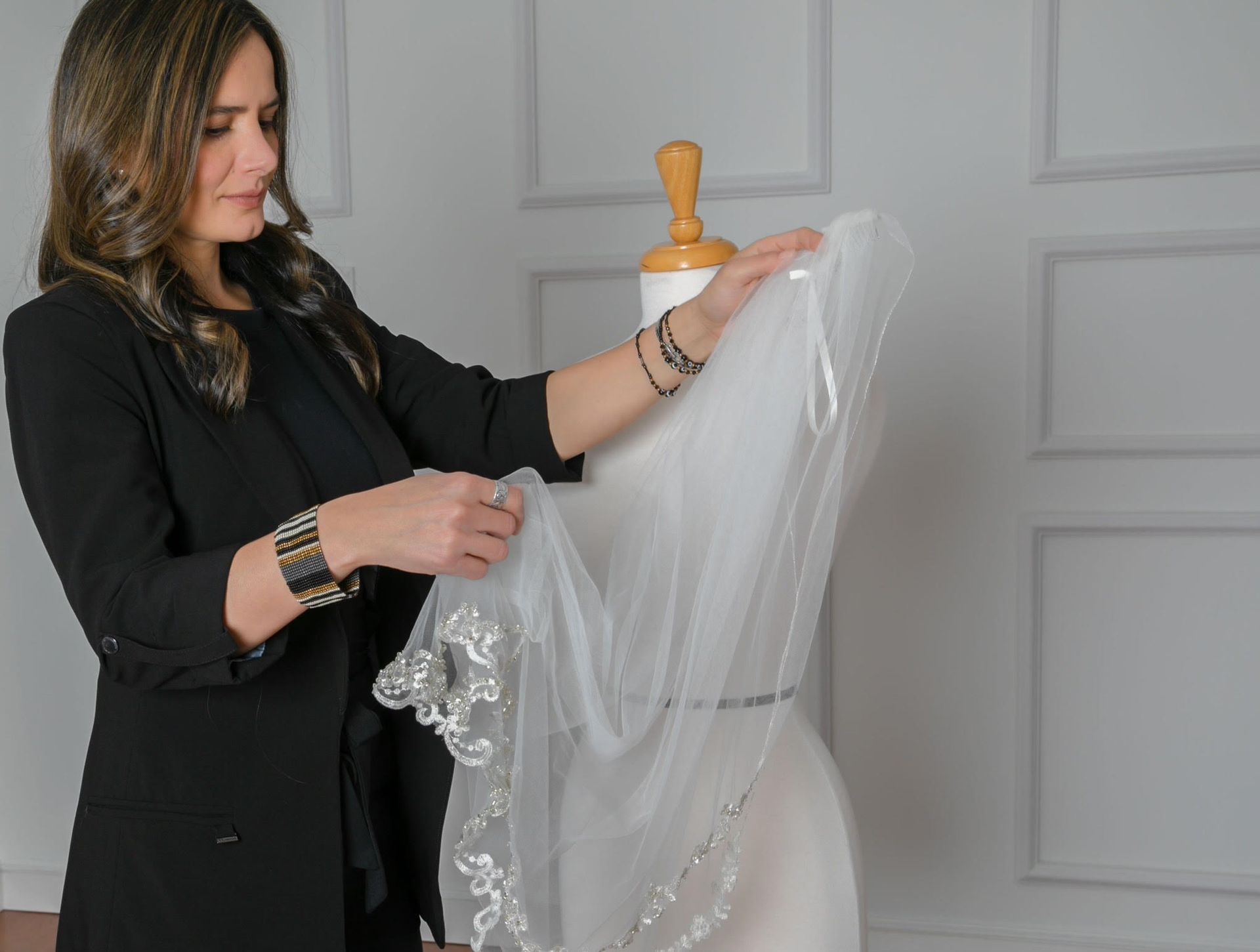
At Alterations Design Studio Ana Penuelas in Marblehead, MA, every bridal gown receives personalized attention to create a flawless fit that enhances both comfort and beauty.
Waiting Too Long to Schedule Alterations
One of the biggest mistakes brides make is waiting until the last minute to schedule their alteration appointments.
Professional bridal seamstresses often book several months in advance, especially during peak wedding season. Delaying your appointment can limit scheduling options and create unnecessary stress as your wedding day approaches.
Most brides should schedule their first fitting approximately two to three months before the wedding, allowing enough time for multiple fittings and any necessary refinements.
Booking early gives both you and your seamstress the flexibility needed to achieve the best possible results.
Buying the Wrong Dress Size
Many brides wonder whether they should purchase a gown that's smaller in hopes of losing weight before the wedding.
This is rarely recommended.
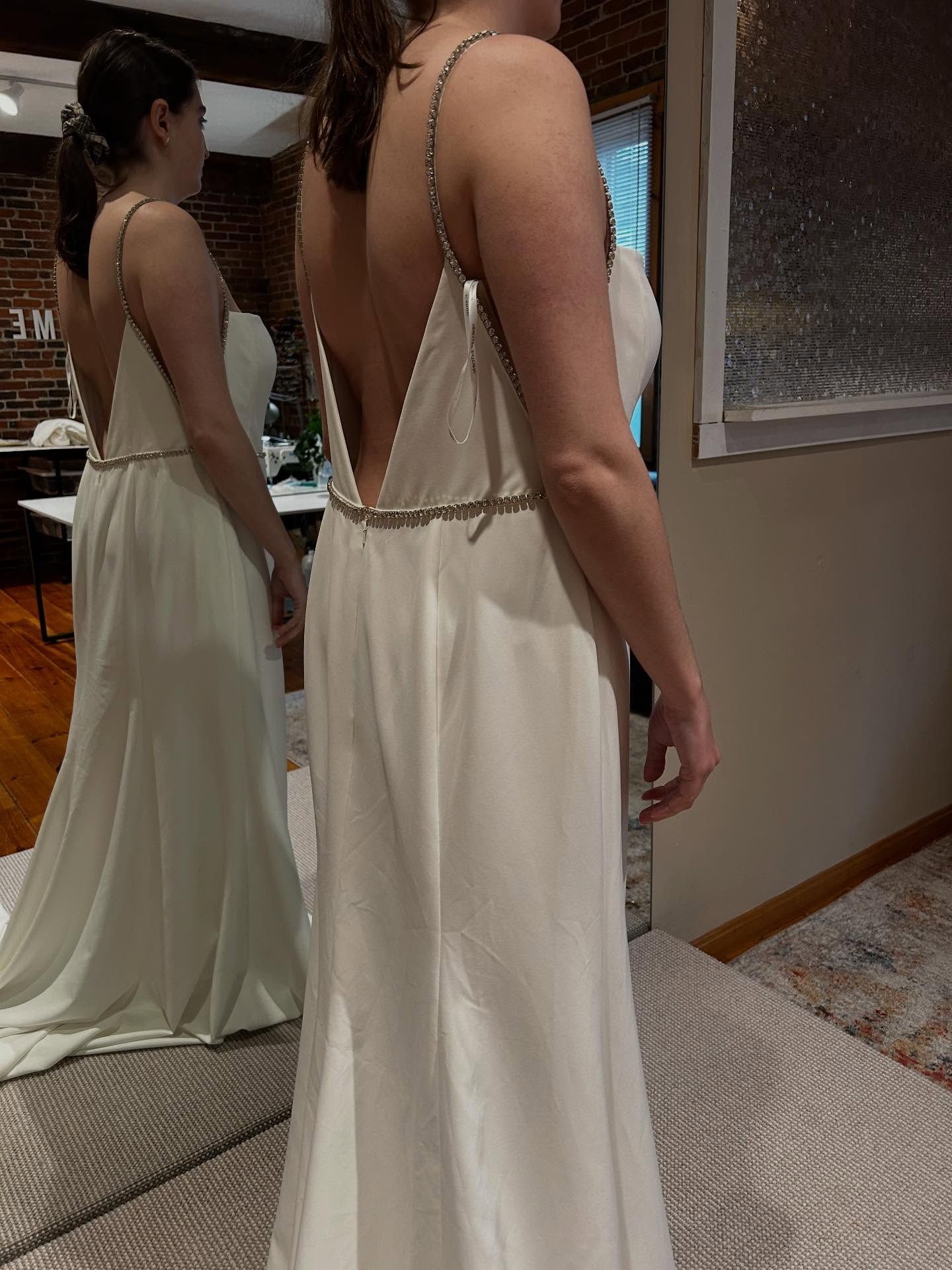
It's generally easier for a bridal seamstress to take in a dress than it is to let one out, particularly if there is limited seam allowance.
When purchasing your wedding dress, choose the size that best fits your current measurements and discuss any expected changes with your seamstress during your consultation.
Forgetting Your Wedding Shoes
Your wedding shoes determine the final hem length of your gown.
If you attend your first fitting without the shoes you plan to wear, your seamstress cannot accurately measure the hem. Changing to a different heel height later may require additional alterations.
Always bring the exact shoes you plan to wear on your wedding day to every fitting.
If you're still shopping for shoes, try to purchase them before your first appointment whenever possible.
Wearing Different Undergarments
Many brides don't realize how much undergarments affect the fit of a wedding dress.
A different bra or shapewear can change:
- Bust placement
- Waist measurements
- Overall silhouette
- Comfort and support
To achieve the most accurate fit, wear the same undergarments you plan to use on your wedding day during every fitting.
Skipping a Scheduled Fitting
Every fitting serves a specific purpose.
Your first appointment identifies the necessary alterations, while future fittings allow your seamstress to evaluate completed work and make small refinements.
Skipping a fitting can leave important adjustments unfinished and may affect the final fit of your gown.
Attending every scheduled appointment helps ensure your dress is ready well before your wedding day.
Losing or Gaining Significant Weight
It's natural to focus on health and fitness before your wedding, but major weight fluctuations after alterations begin can create fitting challenges.
Even modest changes may affect:
- Bodice support
- Waist fit
- Hip measurements
- Dress balance
If you're planning significant lifestyle changes before your wedding, discuss your timeline with your seamstress so appointments can be scheduled appropriately.
Choosing a General Tailor Instead of a Bridal Specialist
Not every tailor specializes in wedding dresses.
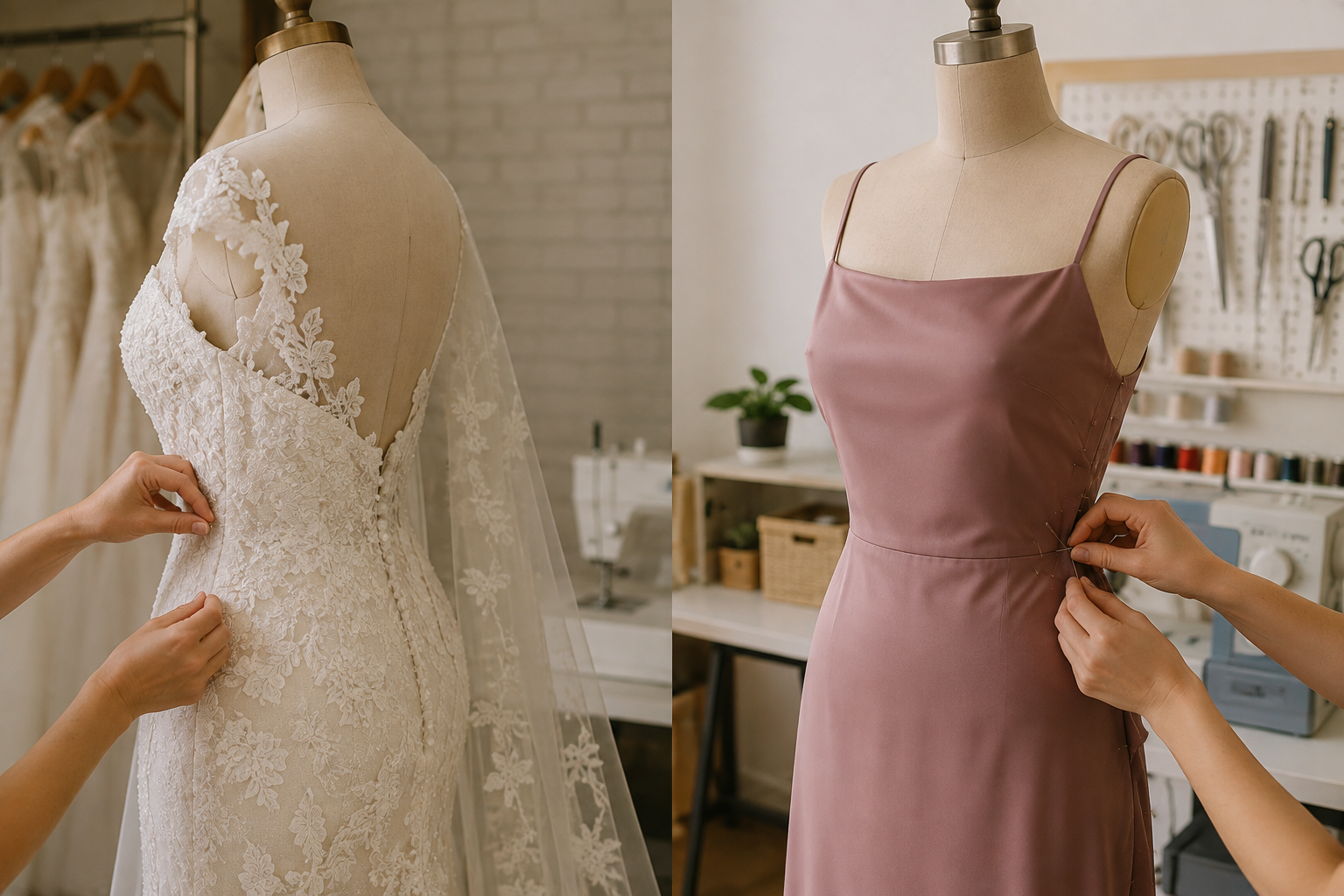
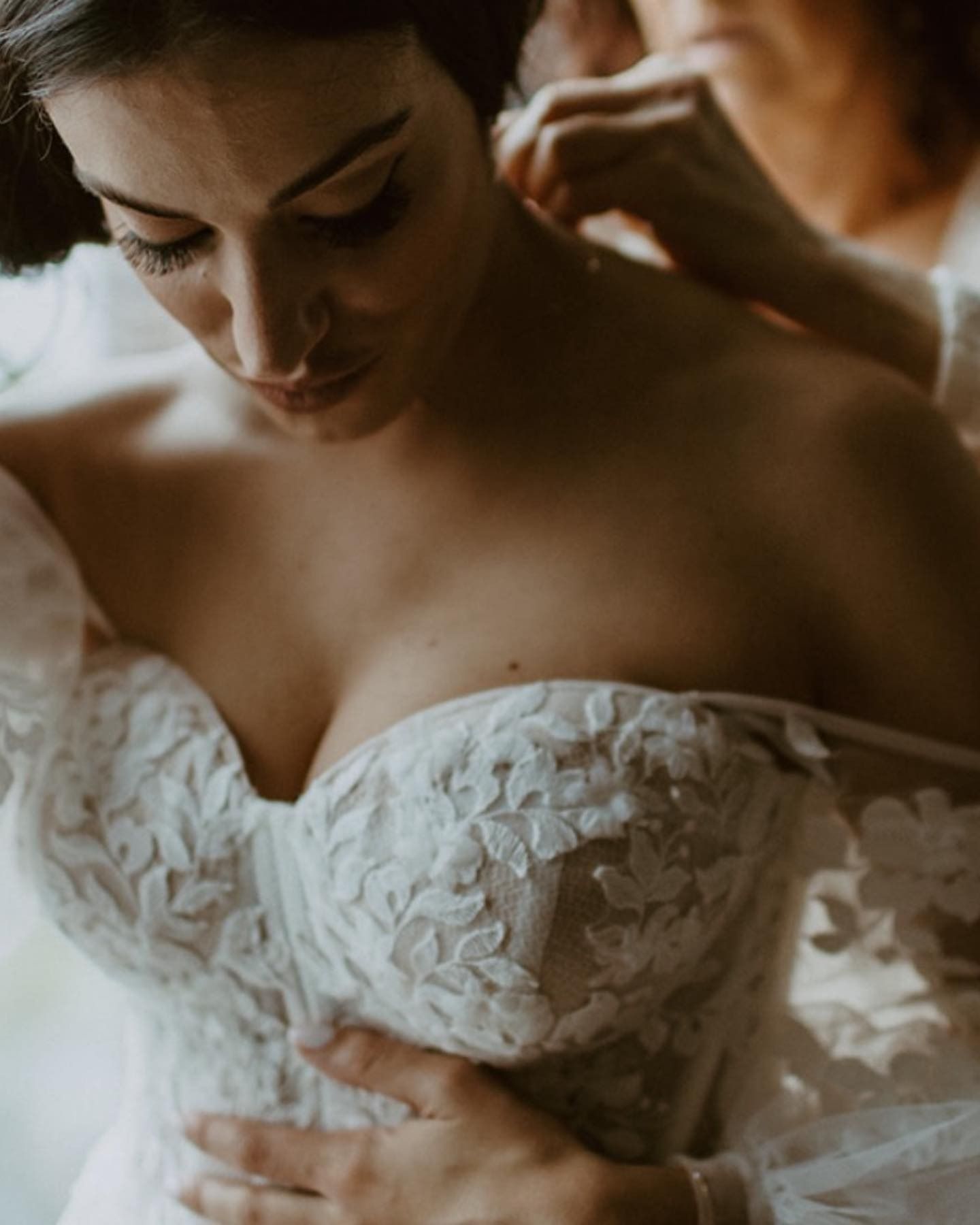
Bridal gowns feature delicate fabrics, intricate lace, hand-sewn beadwork, structured bodices, and complex construction techniques that require specialized knowledge.
An experienced bridal alteration specialist understands how to:
- Preserve lace patterns
- Work around beadwork
- Maintain structural support
- Create invisible alterations
- Protect delicate fabrics
Choosing someone with bridal expertise helps safeguard your investment while ensuring exceptional results.
Ignoring Comfort
Many brides focus solely on appearance and forget that they'll be wearing their dress for several hours.
Your wedding gown should allow you to:
- Walk comfortably
- Sit naturally
- Dance confidently
- Hug family and friends
- Move freely throughout the day
If something feels uncomfortable during a fitting, tell your seamstress. Small adjustments often improve both comfort and appearance.
Making Last-Minute Design Changes
It's common to gather inspiration while planning your wedding, but major design changes late in the alteration process can create complications.
Adding sleeves, changing necklines, or dramatically altering the silhouette often requires additional fittings and more extensive construction work.
Discuss any customization ideas as early as possible so your seamstress can determine what's achievable within your timeline.
Not Communicating Your Preferences
Your seamstress wants your dress to reflect your vision.
If you'd like:
- A more fitted bodice
- Extra room for comfort
- A specific bustle style
- Additional support
- Small design refinements
Speak up during your appointments.
Open communication helps ensure your gown fits exactly the way you imagine.
Forgetting to Practice Moving in Your Dress
During your fittings, don't simply stand in front of the mirror.
Walk around.
Sit down.
Raise your arms.
Turn from side to side.
Practicing everyday movements allows your seamstress to identify areas that may need minor adjustments before your wedding day.
A dress that looks beautiful should also feel comfortable throughout every moment of your celebration.
Waiting Until the Wedding Week
Some brides assume alterations can be completed in just a few days.
While minor repairs may be possible, complete bridal alterations require careful planning and multiple appointments.
Starting early provides time for:
- Detailed measurements
- Quality workmanship
- Multiple fittings
- Final refinements
- Unexpected adjustments if needed
The earlier you begin, the less stressful the process becomes.
Frequently Asked Questions
When should I start wedding dress alterations?
Most brides should begin alterations approximately two to three months before the wedding.
What happens if I lose weight after my first fitting?
Minor changes are usually manageable, but significant weight loss may require additional alterations and fittings.
Do I need to bring my shoes to every appointment?
Yes. Wearing the same shoes ensures your hem remains the correct length throughout the alteration process.
Can I make design changes during alterations?
In many cases, yes. However, major modifications should be discussed early to allow enough time for proper planning and execution.
Why should I choose a bridal alteration specialist?
Wedding dresses require specialized techniques and experience that differ significantly from standard clothing alterations.
Enjoy a Stress-Free Bridal Alteration Experience
Avoiding these common alteration mistakes can help make your wedding dress journey smoother, more enjoyable, and far less stressful. Scheduling early, attending every fitting, bringing the right accessories, and working with an experienced bridal seamstress all contribute to achieving the perfect fit.
At Alterations Design Studio Ana Penuelas, every bride receives personalized care, expert craftsmanship, and meticulous attention to detail throughout the alteration process. Whether your gown requires simple adjustments or detailed couture alterations, you'll receive professional guidance every step of the way, ensuring your dress is ready for one of the most memorable days of your life.