
The Difference Between Bridal Alterations and Standard Dress Alterations

Many people assume that altering a wedding dress is no different than hemming a pair of pants or tailoring a business suit. While all types of tailoring require skill and precision, bridal alterations are in a category of their own. Wedding gowns are often made with delicate fabrics, intricate lace, hand-sewn embellishments, and complex construction techniques that demand specialized knowledge and experience.
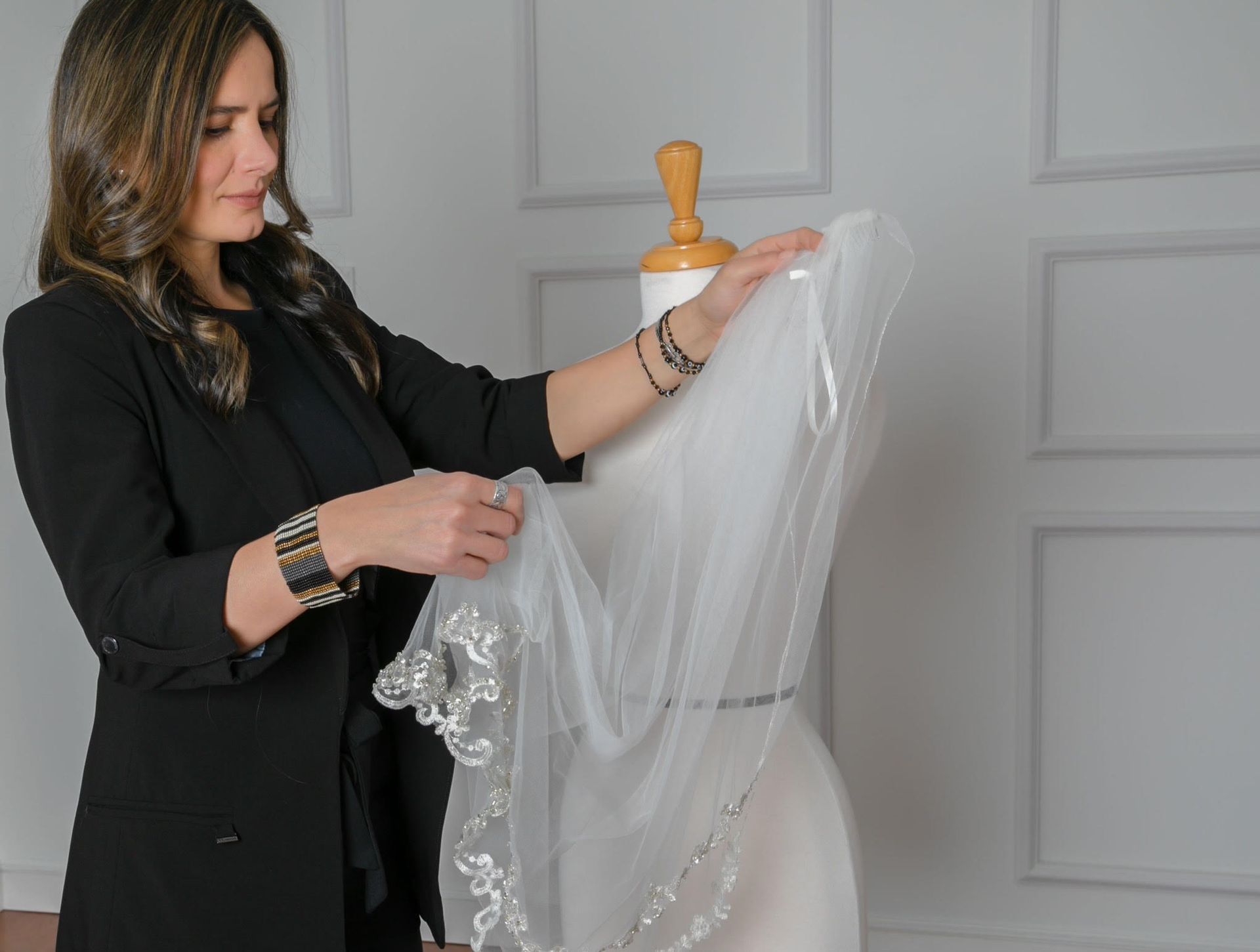
Choosing someone who specializes in bridal alterations can make a significant difference in how your dress looks, feels, and fits on your wedding day. A professional bridal seamstress understands how to preserve the original design of the gown while making adjustments that enhance both comfort and appearance.
At Alterations Design Studio Ana Penuelas in Marblehead, MA, every wedding dress receives the careful attention it deserves. Whether your gown needs simple adjustments or detailed couture alterations, expert craftsmanship helps ensure you walk down the aisle with complete confidence.
Understanding Standard Dress Alterations
Standard dress alterations generally involve everyday clothing such as casual dresses, business attire, formal wear, and other garments that need basic adjustments.
These alterations commonly include:
- Hemming dresses or skirts
- Shortening sleeves
- Taking in side seams
- Adjusting waistlines
- Replacing zippers
- Repairing seams
While these services require technical sewing skills, the garments themselves are usually constructed with simpler fabrics and fewer intricate design elements than bridal gowns.
For most everyday clothing, alterations are straightforward and often completed within a relatively short timeframe.
What Makes Bridal Alterations Different?
Wedding dresses are among the most detailed garments a person will ever wear. Unlike everyday clothing, bridal gowns often include multiple layers of fabric, structured bodices, boning, lace appliqués, delicate embroidery, sequins, pearls, and hand-beaded details.
Each alteration must be completed without disrupting the overall design of the dress.
Professional bridal alterations often involve:
- Reconstructing sections of the gown
- Preserving lace patterns
- Matching beadwork
- Adjusting structured bodices
- Working with delicate fabrics such as silk, satin, chiffon, tulle, and organza
- Creating custom bustles
- Hand-finishing intricate details
These advanced techniques require patience, precision, and specialized experience.
Every Wedding Dress Is Unique
No two wedding dresses are exactly alike.
Some gowns feature fitted mermaid silhouettes, while others include flowing A-line skirts or dramatic ball gowns. Each style presents different alteration challenges.
For example:
Lace Wedding Dresses
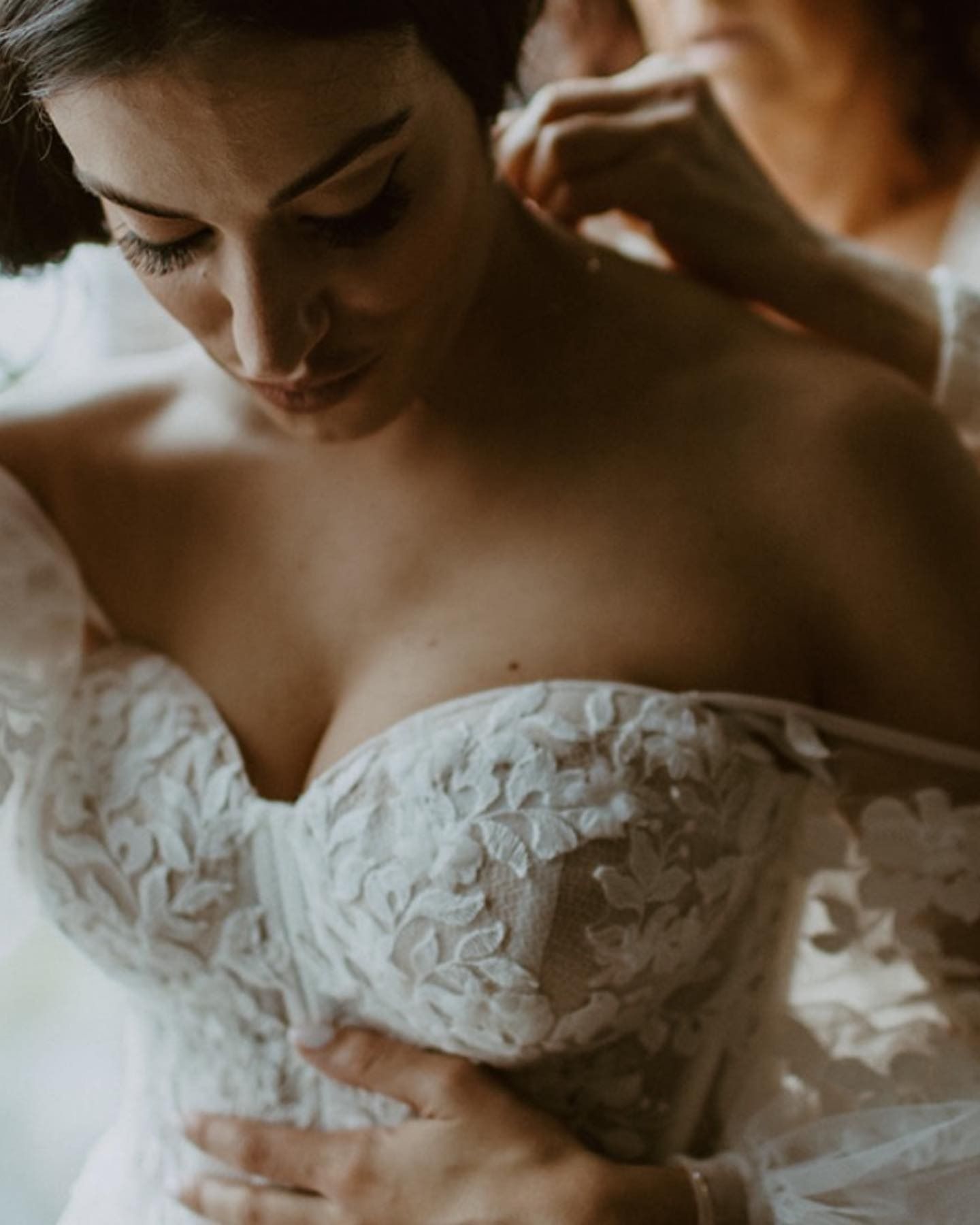
Lace patterns often extend across seams, making adjustments much more complex. A bridal seamstress carefully removes and reapplies lace so alterations remain virtually invisible.
Beaded Gowns
Hand-sewn beadwork may need to be removed before alterations can begin and then carefully reapplied afterward.
Corset and Structured Bodices
Many wedding dresses contain boning and internal support systems that must be adjusted without compromising the structure of the gown.
These details require techniques that are rarely needed for standard clothing alterations.
Precision Is Essential
A wedding dress is often photographed from every angle and viewed throughout one of the most important days of a bride's life.
Even small fitting issues can become noticeable.
Professional bridal alterations focus on creating:
- Smooth lines
- Balanced proportions
- Comfortable movement
- Secure support
- Elegant draping
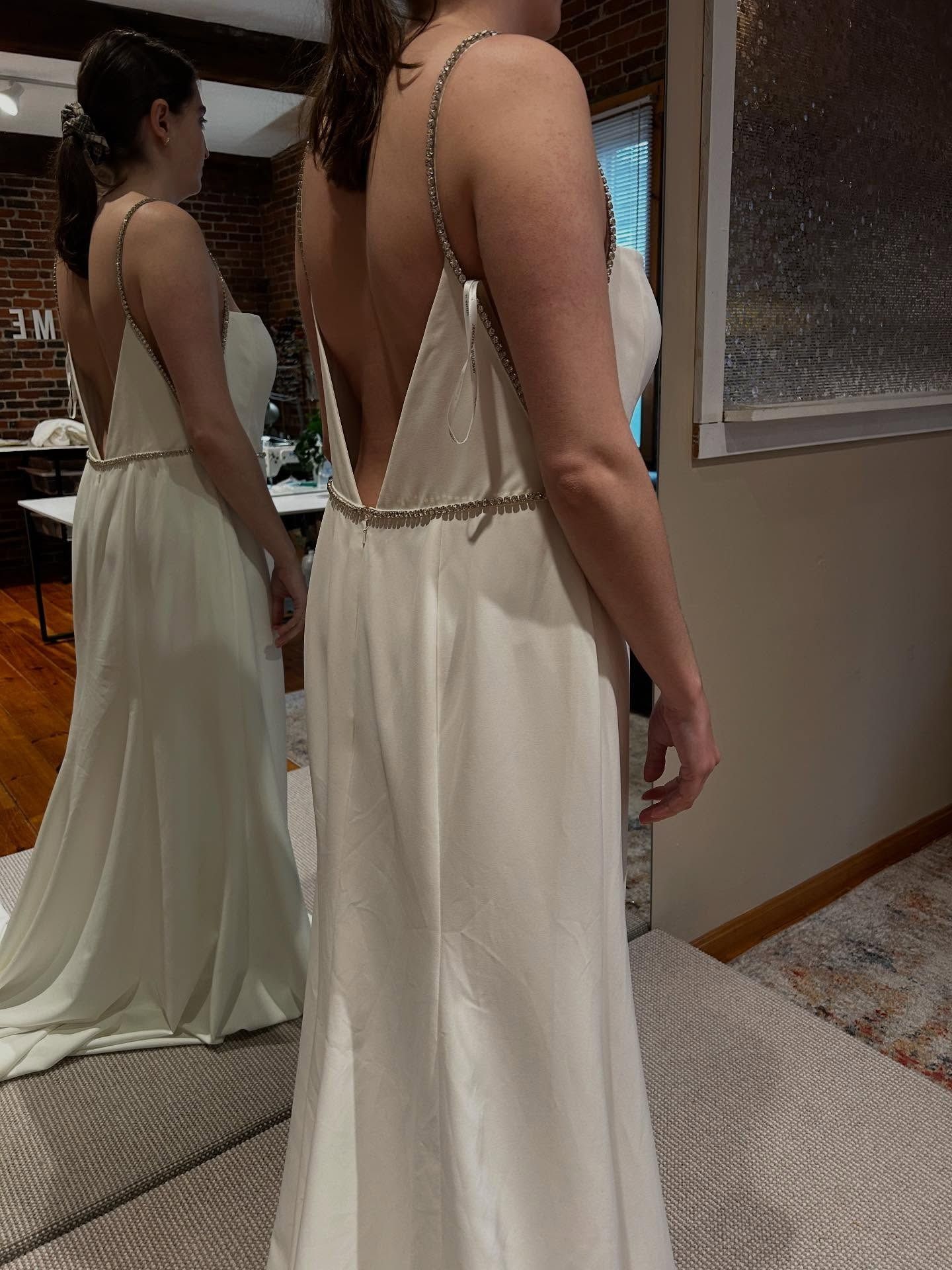
- A flattering silhouette
Attention to these details ensures the gown looks beautiful both in person and in photographs.
Multiple Fittings Are Usually Required
Most everyday clothing alterations require only one appointment.
Bridal alterations are different.
Most brides attend two or three fittings to gradually refine the fit of the dress.
During these appointments, your seamstress carefully evaluates:
- Bodice support
- Dress length
- Waist placement
- Hip fit
- Sleeve comfort
- Strap positioning
- Bustle function
Making adjustments over multiple appointments allows the gown to be perfected without rushing the process.
Bridal Alterations Require Specialized Equipment
Many wedding dresses cannot simply be altered using standard sewing techniques.
Depending on the gown, a bridal seamstress may use:
- Hand sewing techniques
- Specialty needles
- Fine silk thread
- Delicate pressing methods
- Couture finishing techniques
- Precision measuring tools
These specialized methods help protect fragile fabrics while maintaining the integrity of the dress.
Why Experience Matters
Wedding dresses are significant investments, both financially and emotionally. Trusting your gown to someone without bridal alteration experience can increase the risk of visible stitching, damaged lace, uneven hems, or improper fit.
An experienced bridal seamstress understands how to work with luxury fabrics and intricate designs while preserving the beauty of the original garment.
Professional expertise becomes especially important when altering designer gowns, vintage dresses, or couture pieces.
Common Bridal Alterations
Every gown is unique, but some of the most requested bridal alterations include:
Hem Adjustments
Ensuring the dress falls perfectly while accommodating your wedding shoes.
Bodice Alterations
Creating a secure, supportive fit through the bust and waist.
Strap and Sleeve Adjustments
Improving comfort while maintaining the gown's intended design.
Bustle Installation
Allowing the train to be lifted after the ceremony for easier movement during the reception.
Dress Resizing
Taking in or letting out areas of the gown when construction allows.
Each alteration contributes to a polished, personalized fit.
Choosing the Right Bridal Seamstress
When searching for someone to alter your wedding dress, it's important to look beyond general tailoring experience.
Choose a professional who specializes in bridal gowns and offers:
- Bridal alteration expertise
- Experience with couture garments
- Knowledge of delicate fabrics
- Personalized fittings
- Attention to detail
- Clear communication throughout the process
A dedicated bridal specialist understands that every stitch matters.
Frequently Asked Questions
Can a regular tailor alter a wedding dress?
Some tailors offer bridal services, but wedding gowns often require specialized knowledge and experience beyond standard clothing alterations.
Why do bridal alterations cost more?
Wedding dresses involve delicate materials, intricate construction, multiple fittings, and significantly more labor than everyday garments.
Are bridal alterations worth the investment?
Absolutely. Proper alterations improve comfort, appearance, confidence, and ensure your dress fits beautifully for your wedding day.
How many fittings are usually required?
Most brides need two or three fittings, although gowns requiring extensive alterations may require additional appointments.
Should I choose someone who specializes in bridal gowns?
Yes. A bridal alteration specialist has the expertise needed to work with complex wedding dress construction while preserving the gown's original design.
Trust Your Wedding Dress to a Bridal Alteration Specialist
Your wedding dress deserves expert care from someone who understands the craftsmanship behind every stitch, layer, and detail. While standard clothing alterations focus on everyday garments, bridal alterations require specialized techniques that ensure your gown fits flawlessly without compromising its beauty.
At Alterations Design Studio Ana Penuelas, brides in Marblehead, MA, receive personalized bridal alterations designed to create the perfect fit for one of life's most important occasions. Whether your gown needs simple refinements or detailed couture adjustments, expert craftsmanship helps transform your dress into a gown that feels custom-made for your special day.
Recent Posts